Cannabis Legislation in the UK: Where Do We Stand in 2026?
Cannabis Legislation in the UK: Where Do We Stand in 2026?
If you have searched “is cannabis legal in the UK?” and found conflicting answers, you are not alone. The simplest answer is that recreational cannabis remains illegal, but medical cannabis can be legally prescribed by an appropriately qualified specialist doctor.
This guide explains the current UK cannabis laws, what changed in 2018, who can legally access medical cannabis and what patients should know about possession, cultivation, driving and possible future reforms.
Contents
Is Cannabis Legal in the UK?
Cannabis is legal in the UK only in limited medical circumstances. Recreational possession, production and supply remain illegal.
Cannabis is controlled as a Class B drug under the Misuse of Drugs Act 1971. It is also controlled under the Misuse of Drugs Regulations 2001.
The law changed on 1 November 2018 to allow specialist doctors to prescribe certain cannabis-based products for medicinal use. That change did not legalise cannabis for recreational use or allow people to self-medicate with cannabis bought outside a regulated pharmacy.
What Are the Penalties for Cannabis Possession?
Possessing cannabis without lawful authority remains a criminal offence in the UK.
The maximum penalties for a Class B drug are:
- Possession: Up to five years in prison, an unlimited fine or both.
- Supply or production: Up to 14 years in prison, an unlimited fine or both.
The outcome in an individual case can depend on the circumstances and how the police and courts deal with the offence. However, a warning, community resolution or decision not to prosecute does not mean that cannabis has become legal in that area.

Is Medical Cannabis Legal in the UK?
Yes. Medical cannabis has been legal on prescription in the UK since 1 November 2018.
A legal medical cannabis product must be prescribed through an appropriate clinical pathway and supplied by a regulated pharmacy. Many cannabis-based products prescribed through specialist clinics are unlicensed medicines, which means they do not have a UK marketing authorisation for the particular product or condition.
An unlicensed medicine is not automatically unlawful or unsafe. It means the specialist takes additional responsibility for deciding whether there is a specific clinical need that cannot be met by an available licensed medicine.
You can learn more about the patient pathway in our medical cannabis patient information guide.
Who Can Access Medical Cannabis?
There is no single legal list of conditions that automatically qualifies someone for a prescription. A specialist clinician assesses each patient individually.
At CB1 Medical, patients will generally need to:
- Be aged 18 or over.
- Have a diagnosed condition or ongoing symptoms suitable for specialist assessment.
- Have previously been prescribed at least two recognised treatments.
- Provide relevant medical information and a current medication history.
- Have no clinical factors that make treatment unsuitable.
CB1 Medical assesses patients living with a range of pain, mental health, neurological, gastrointestinal and palliative-care conditions. You can view these on our conditions treated with medical cannabis page.
Passing an online eligibility check does not guarantee a prescription. The final decision is made after your medical history has been reviewed and you have spoken to a specialist clinician.
Can You Get Medical Cannabis on the NHS?
Medical cannabis can be prescribed through the NHS, but access remains very limited.
Current NHS and NICE guidance is mainly focused on specific products used in a small number of circumstances:
- Certain rare and severe forms of epilepsy.
- Moderate to severe spasticity associated with multiple sclerosis when other treatments have not worked adequately.
- Chemotherapy-induced nausea and vomiting that continues despite standard anti-sickness treatment.
NICE does not recommend routinely offering cannabis-based medicinal products for chronic pain through the NHS. This reflects its assessment of the available evidence and cost-effectiveness for population-wide NHS treatment.
Private specialists can assess a broader range of conditions, but treatment must still be clinically justified and monitored. Private access does not mean that a prescription is automatic.
Can You Grow Cannabis in the UK?
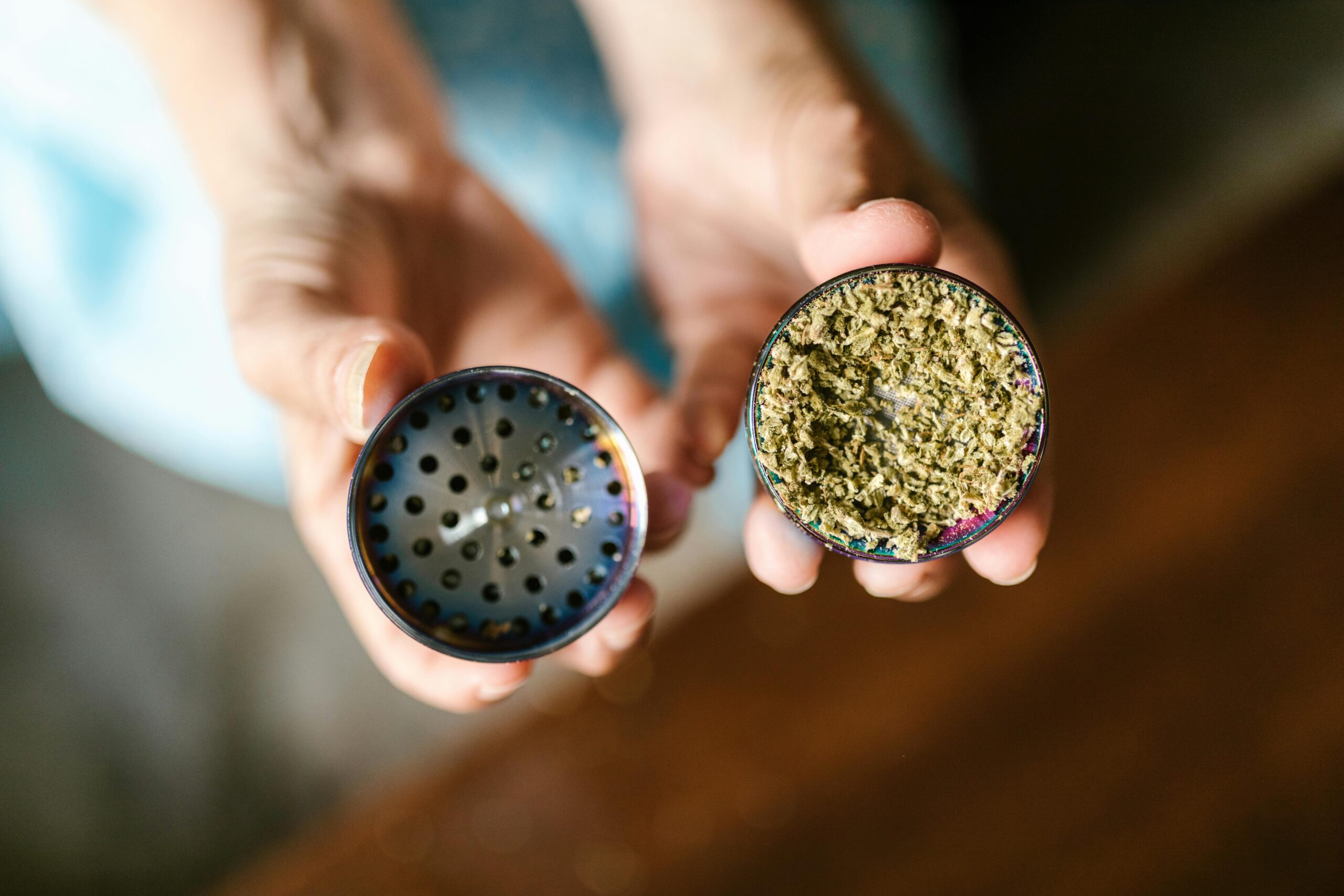
You cannot legally grow cannabis at home for recreational or personal medical use without the appropriate Home Office licence.
This applies even when someone says they are growing the plant to manage a health condition. A medical cannabis prescription does not give a patient permission to cultivate cannabis.
Industrial hemp can be grown under a Home Office licensing scheme, but the licence is limited. It generally allows approved low-THC varieties to be cultivated for industrial seed and fibre. It does not give the grower unrestricted permission to use the flowers or leaves.
Patients who are prescribed medical cannabis must obtain it through the lawful pharmacy route rather than growing or buying it themselves.
Does the Law Apply Across the Whole UK?
The classification and control of cannabis under the Misuse of Drugs Act applies across the United Kingdom.
Controlled-drug classification is reserved to the UK Government. This means Scotland, Wales and Northern Ireland cannot simply legalise recreational cannabis independently through their health policies.
Health services, policing arrangements and prosecution systems differ across the four nations. Local operational decisions may therefore vary, but the underlying controlled-drug status of cannabis remains in place throughout the UK.
A more lenient response to a low-level offence in one area should never be interpreted as legalisation or a guarantee that no action will be taken.
Can Medical Cannabis Patients Drive?
A medical cannabis prescription does not automatically prevent someone from driving. However, it is illegal to drive while impaired.
THC has a specified blood limit under UK drug-driving law. A statutory medical defence may be available when the medicine has been legally prescribed or supplied and has been taken according to the prescriber’s or manufacturer’s directions.
That defence does not protect someone who was unfit to drive safely. Patients should avoid driving when starting treatment, after increasing a dose or whenever they feel drowsy, confused, dizzy or otherwise impaired.
Keep your medication in its original labelled packaging and have access to evidence of your prescription and suitable identification. Read our full guide to medical cannabis and driving.
Why Has Recreational Cannabis Not Been Legalised?
The UK Government’s stated position remains that it has no plans to legalise cannabis for recreational use.
Arguments against legalisation commonly focus on:
- Possible effects on mental health and vulnerable users.
- The risk of dependence and harmful patterns of use.
- Road safety and workplace impairment.
- How commercial products would be marketed and regulated.
- The possible effect on organised crime and the illegal market.
- The long-term impact on public health and public services.
Supporters of reform argue that regulation could improve product safety, reduce criminalisation and create better controls over age, strength and supply. These arguments continue to be debated, but they have not resulted in a change to the current government’s position.
It is therefore important to separate discussion of possible future reform from the law that applies today.
Could UK Cannabis Law Change?
Cannabis policy may continue to evolve, particularly around medical prescribing, research, product standards and the control of newer cannabinoids.
In June 2026, the Department of Health and Social Care confirmed that the Home Secretary had commissioned the Advisory Council on the Misuse of Drugs to review the regulation of cannabis-based products for medicinal use.
That review could inform future changes to how medical products are controlled or monitored. It should not be interpreted as an announcement that recreational cannabis will be legalised.
The government has also recently considered tighter controls for semi-synthetic cannabinoids and changes to industrial hemp rules. These developments show that cannabinoid regulation is still active and changing in specific areas.
For patients, the safest approach remains the same: use a regulated clinic, obtain medication through a lawful pharmacy and follow the conditions of your prescription.
Final Thoughts
Recreational cannabis is not legal in the UK. Possession, cultivation, production and supply can still lead to criminal penalties.
Medical cannabis is different. It has been legal on prescription since November 2018 and can be accessed when an appropriately qualified specialist decides that it is clinically suitable.
At CB1 Medical, we offer a regulated route for adults who have already tried recognised treatments and want to understand whether medical cannabis could form part of their care.
The law can be confusing, but the key distinction is straightforward: a valid prescription and regulated pharmacy supply are legal; buying, growing or possessing unprescribed cannabis is not.
Thinking About Medical Cannabis?
Use our free eligibility checker to see whether taking the next step with CB1 Medical could be appropriate for you.