Medical Cannabis Before Surgery: What UK Patients Need to Know
Medical Cannabis Before Surgery: What UK Patients Need to Know
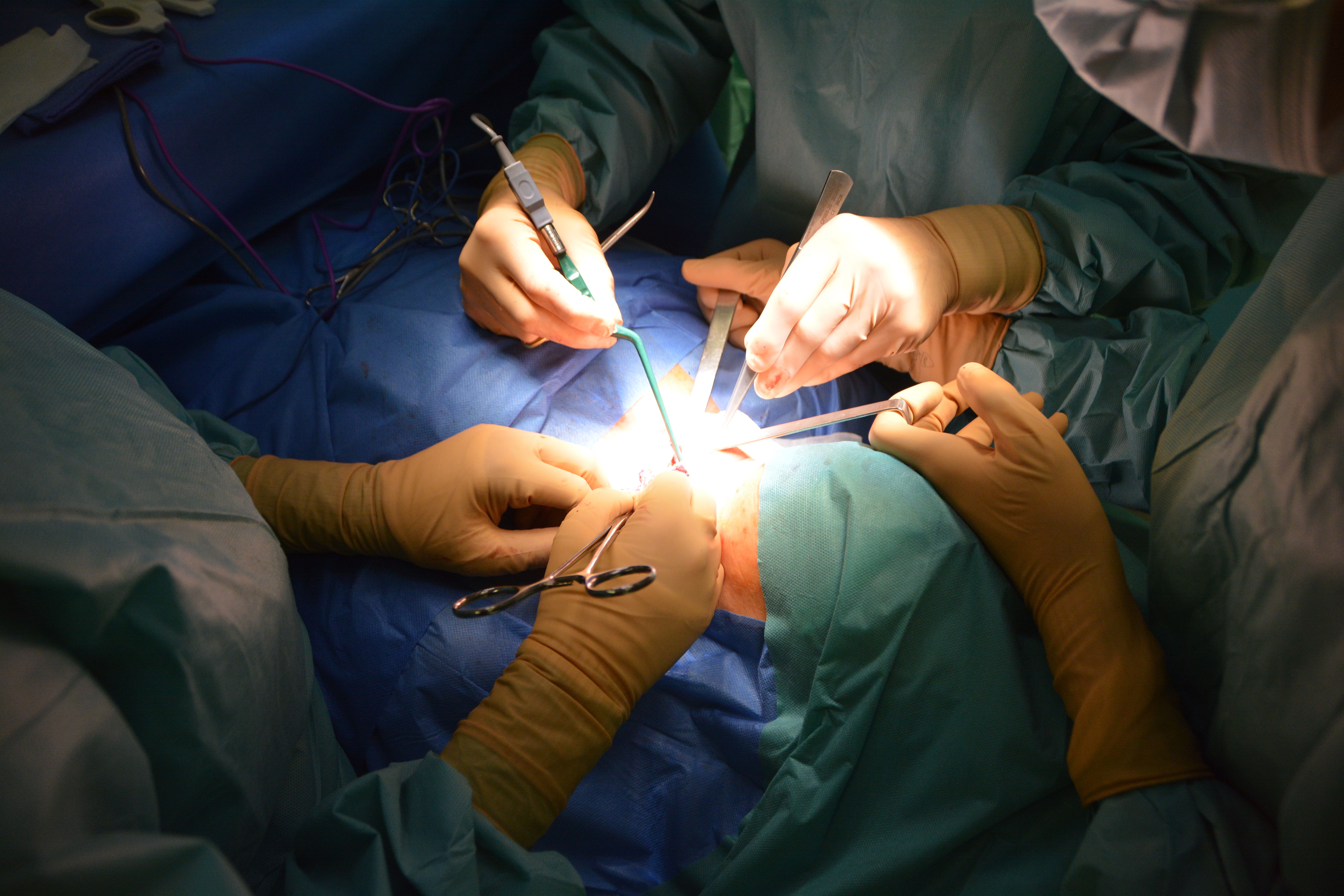
If you are prescribed medical cannabis and have an upcoming operation, tell your surgical and anaesthetic team about your medication before the procedure. Cannabis-based medicines may affect anaesthesia, pain management and recovery, but this does not automatically mean you must stop treatment or that your surgery cannot go ahead.
Preparing for surgery can involve a long list of questions about medications, fasting, recovery and what to expect on the day. For patients prescribed medical cannabis, there may be another question: should you continue taking your prescription before an operation?
The answer depends on the medication you take, its THC and CBD content, how you administer it, how frequently you use it and the type of procedure you are having.
In this guide, we explain what UK medical cannabis patients should know about anaesthesia, surgery and recovery, including the questions worth asking their clinical team beforehand.
Contents
- Should You Tell Your Anaesthetist About Medical Cannabis?
- Can Medical Cannabis Affect Anaesthesia?
- Should You Stop Medical Cannabis Before Surgery?
- Does It Matter Whether You Use Cannabis Flower or Oils?
- What About Local Anaesthetic and Sedation?
- Can Medical Cannabis Affect Pain Relief After Surgery?
- Can You Take Your Medical Cannabis Prescription Into Hospital?
- How Should You Prepare for Surgery?
- Frequently Asked Questions
Should You Tell Your Anaesthetist About Medical Cannabis?
Yes. You should tell your anaesthetist or pre-operative assessment team if you use prescribed medical cannabis, even if you only take it occasionally or do not expect to use it on the day of surgery.
Anaesthetists need an accurate picture of the medications and substances a patient uses because these can influence how anaesthetic drugs work and how the body responds during an operation.
Medical cannabis has been legally available on prescription in the UK since November 2018. However, its legal status does not remove the need to discuss it with the surgical team.
The Royal College of Anaesthetists explains that pre-operative assessments are an opportunity to review your health, medicines and any concerns before surgery.
If you are prescribed medical cannabis, be prepared to explain:
- The name and formulation of your prescribed medication.
- Its THC and CBD content, where known.
- Your prescribed dose and how frequently you take it.
- Whether you use an oil, pastille, prescribed vaporised flower or another formulation.
- When you last took your medication.
- Any side effects you have experienced.
You do not need to wait until the day of your operation to raise this. If your procedure is planned, mentioning your prescription during the pre-operative assessment gives the team more time to make an appropriate plan.
Can Medical Cannabis Affect Anaesthesia?
Medical cannabis may affect a patient’s response to anaesthesia, although the evidence is still developing and the effects vary between individuals.
A 2023 consensus guideline published in the journal Regional Anesthesia & Pain Medicine examined how cannabis and cannabinoids may influence surgical care.
The guideline identified several areas for clinicians to consider, including potential interactions with anaesthetic medicines, cardiovascular effects, postoperative pain and the timing of cannabis use before surgery.
Could Medical Cannabis Change How Much Anaesthetic You Need?
Some research suggests that regular cannabis use may influence anaesthetic requirements. However, findings differ depending on the patient’s pattern of use, the medication involved and whether the person has recently taken cannabis.
The available evidence is not strong enough to predict a specific anaesthetic dose from someone’s medical cannabis prescription.
Anaesthetists assess patients individually and adjust medication according to their clinical needs.
Can Medical Cannabis Affect Heart Rate or Blood Pressure?
THC can affect the cardiovascular system, including heart rate and blood pressure. These effects may be particularly relevant around the time of anaesthesia and surgery.
However, much of the research involves recreational cannabis use or smoked cannabis rather than patients taking regulated, prescribed formulations.
It is important not to assume that every risk reported in recreational cannabis studies applies equally to all medical cannabis patients. The surgical team should consider your individual medication and health history.
Should You Stop Taking Medical Cannabis Before Surgery?
Do not stop or change your prescribed medical cannabis without discussing it with your surgical team and prescribing clinician. There is no single evidence-based stopping period that applies to every prescribed cannabis product and every operation.
Advice may differ depending on whether you use a THC-containing product, a CBD-dominant medicine, an oral preparation or prescribed vaporised flower.
The type of surgery, anaesthesia and other medicines you take are also relevant.
The ASRA Pain Medicine consensus guidelines note that the evidence does not support one universal approach to stopping or continuing cannabinoids around surgery.
Some published recommendations discuss different periods of abstinence or dose reduction, but these are not interchangeable and should not be applied without clinical assessment.
Stopping medication abruptly may also cause difficulties for some patients, particularly if it is being used regularly for a long-term condition.
If your operation is approaching and you have not received specific instructions, contact the pre-operative assessment team rather than guessing when to take your last dose.
Does It Matter Whether You Use Cannabis Flower or Oils?
Yes. The formulation and route of administration can affect how quickly cannabinoids are absorbed and how long their effects may last.
Prescribed medical cannabis comes in different forms, including oils, flower and pastilles. These are not necessarily interchangeable.
Prescribed Cannabis Flower
When cannabis flower is prescribed for inhalation, it must be administered using the method directed by the prescriber, typically a suitable dry-herb vaporiser.
Smoking prescribed medical cannabis is illegal in the UK. A medical cannabis prescription does not authorise smoking.
For patients who vaporise prescribed flower, the anaesthetic team should know the formulation, frequency of use and timing of the most recent dose. They may also consider any relevant respiratory symptoms.
Medical Cannabis Oils and Other Oral Products
Cannabis oils and other oral formulations may have a different onset and duration of effects from inhaled products.
They may also be relevant to pre-operative instructions about medicines, food, fluids and fasting.
Do not assume that an oil can be taken before surgery simply because it is a prescribed medicine. Follow the instructions provided by your hospital team.
What About Local Anaesthetic, Dental Procedures and Sedation?
You should disclose your medical cannabis prescription before procedures involving local anaesthetic, sedation or general anaesthesia. The relevance of your medication will depend on the procedure and the drugs being used.
Local anaesthetic numbs a specific area of the body while you remain conscious. Sedation uses medication to help you feel relaxed or sleepy, while general anaesthesia produces a controlled state of unconsciousness.
These approaches involve different medicines and levels of monitoring, so the considerations are not identical.
For example, if you are having dental treatment under sedation, your dentist or sedation team needs to know about prescribed medicines that may affect alertness or interact with sedative drugs.
The safest approach is to tell the treating clinician what you take and ask whether any changes are needed before the appointment.
Can Medical Cannabis Affect Pain Relief After Surgery?
Medical cannabis use may be relevant to postoperative pain management, particularly if a patient is also prescribed opioids or other medicines that can cause sedation.
Some observational research has associated cannabis use with higher reported pain or greater opioid requirements after surgery. However, these findings do not establish that prescribed medical cannabis causes worse recovery in every patient.
Research often includes people using recreational cannabis, and differences in dose, frequency and underlying health conditions can make results difficult to interpret.
The ASRA consensus guidelines recommend that clinicians consider postoperative pain management carefully in patients who use cannabinoids.
What if You Are Prescribed Opioid Painkillers After Surgery?
After an operation, patients may receive medicines such as morphine, codeine or other opioid-based painkillers.
Combining medicines that affect the central nervous system can increase concerns about drowsiness, dizziness and impaired alertness. Some combinations may also increase the risk of breathing problems.
Your surgical team and medical cannabis prescriber should know about all the medicines you are taking so they can assess potential interactions.
Do not independently increase your medical cannabis dose to manage postoperative pain, and do not reduce or replace prescribed postoperative pain relief without clinical advice.
Can You Take Your Medical Cannabis Prescription Into Hospital?
If you are being admitted to hospital, tell the hospital about your medical cannabis prescription before admission and ask how your medication will be managed during your stay.
Hospitals have their own procedures for checking, storing and administering patients’ medicines, particularly controlled drugs.
A valid private prescription does not automatically mean that a patient can independently administer their medication anywhere within a hospital.
You should ask the hospital team whether your medicine can be brought in, how it will be stored and whether any arrangements are needed for administration.
If you are bringing medication, keep it in its original pharmacy-labelled packaging and have prescription information available.
It is also worth discussing what will happen if your usual medication cannot be administered during your hospital stay. Your surgical team and prescribing clinician can consider an appropriate plan.
How Should Medical Cannabis Patients Prepare for Surgery?
If you have a planned operation, a little preparation can help avoid uncertainty on the day.
- Tell your pre-operative team about your prescription. Do this as early as possible, particularly if your operation requires general anaesthesia or sedation.
- Prepare an accurate medication list. Include your medical cannabis products, prescribed doses, THC and CBD content, other prescription medicines and supplements.
- Ask for specific instructions. Find out whether to continue your medication, when to take your last dose and what to do after the procedure.
- Contact your medical cannabis prescriber. Let them know about your upcoming surgery and any instructions you receive from the hospital.
- Discuss your recovery plan. Ask how postoperative pain medicines may interact with your usual treatment.
- Follow hospital fasting and medication guidance. Do not assume that prescribed cannabis oils, pastilles or inhaled medicines are exempt from instructions.
The Royal College of Anaesthetists’ guide to preparing for surgery also recommends following medication instructions carefully and bringing relevant medicines to hospital as directed.
If you need emergency surgery, tell the treating team about your medical cannabis prescription as soon as you can. Do not delay urgent medical treatment while trying to contact your prescribing clinic.
Medical Cannabis and Surgery: Frequently Asked Questions
Can You Have General Anaesthetic While Taking Medical Cannabis?
Having a medical cannabis prescription does not automatically prevent you from receiving general anaesthesia. However, cannabinoids may affect anaesthetic management, so your anaesthetist needs to know what you take, how much you use and when you last used it.
How Long Before Surgery Should You Stop Medical Cannabis?
There is no universal stopping interval for every prescribed medical cannabis product. The appropriate advice depends on the formulation, dose, route of administration, procedure and individual clinical circumstances. Ask your pre-operative team and prescribing clinician for specific instructions.
Can Medical Cannabis Interact With Anaesthetic Drugs?
Cannabinoids may influence responses to some anaesthetic and sedative medicines. The evidence is still developing, and effects cannot be reliably predicted for every patient. This is why accurate disclosure is important.
Should You Tell Your Dentist About Medical Cannabis?
Yes. Tell your dentist about your prescription, particularly if your treatment involves sedation or medicines that may affect alertness. Your dentist can advise whether any special precautions are needed.
Can You Take Medical Cannabis on the Morning of Surgery?
Only follow the medication instructions provided by your surgical team. Do not assume that you should take or skip your usual dose without checking. If your instructions are unclear, contact the hospital before your procedure.
Can You Use Medical Cannabis for Pain After Surgery?
Do not change your prescribed medical cannabis regimen or use additional doses to treat postoperative pain without clinical advice. Your surgical team should assess your recovery needs, other pain medicines and possible interactions.
Will a Medical Cannabis Prescription Delay My Surgery?
Not necessarily. A prescription alone does not mean surgery must be postponed. However, the surgical team may need to assess factors such as recent cannabinoid use, current impairment, cardiovascular concerns or potential medication interactions before proceeding.
Speak to Your Clinical Team About Your Prescription
If you are a CB1 Medical patient and have an upcoming operation, let your surgical team know about your prescription and contact CB1 if you need to discuss your treatment plan.
Your anaesthetist and surgical team are responsible for deciding how your medication should be managed around the procedure. CB1’s clinicians can help with questions about your prescribed treatment.
For general information about prescriptions, administration and patient responsibilities, visit our medical cannabis patient information page.
If you are exploring medical cannabis treatment, you can also learn more about eligibility for a consultation with CB1 Medical. Treatment is subject to an individual specialist assessment and is not suitable for everyone.