How to Increase HRV: 8 Evidence-Based Ways to Improve Heart Rate Variability
How to Increase HRV: 8 Evidence-Based Ways to Improve Heart Rate Variability
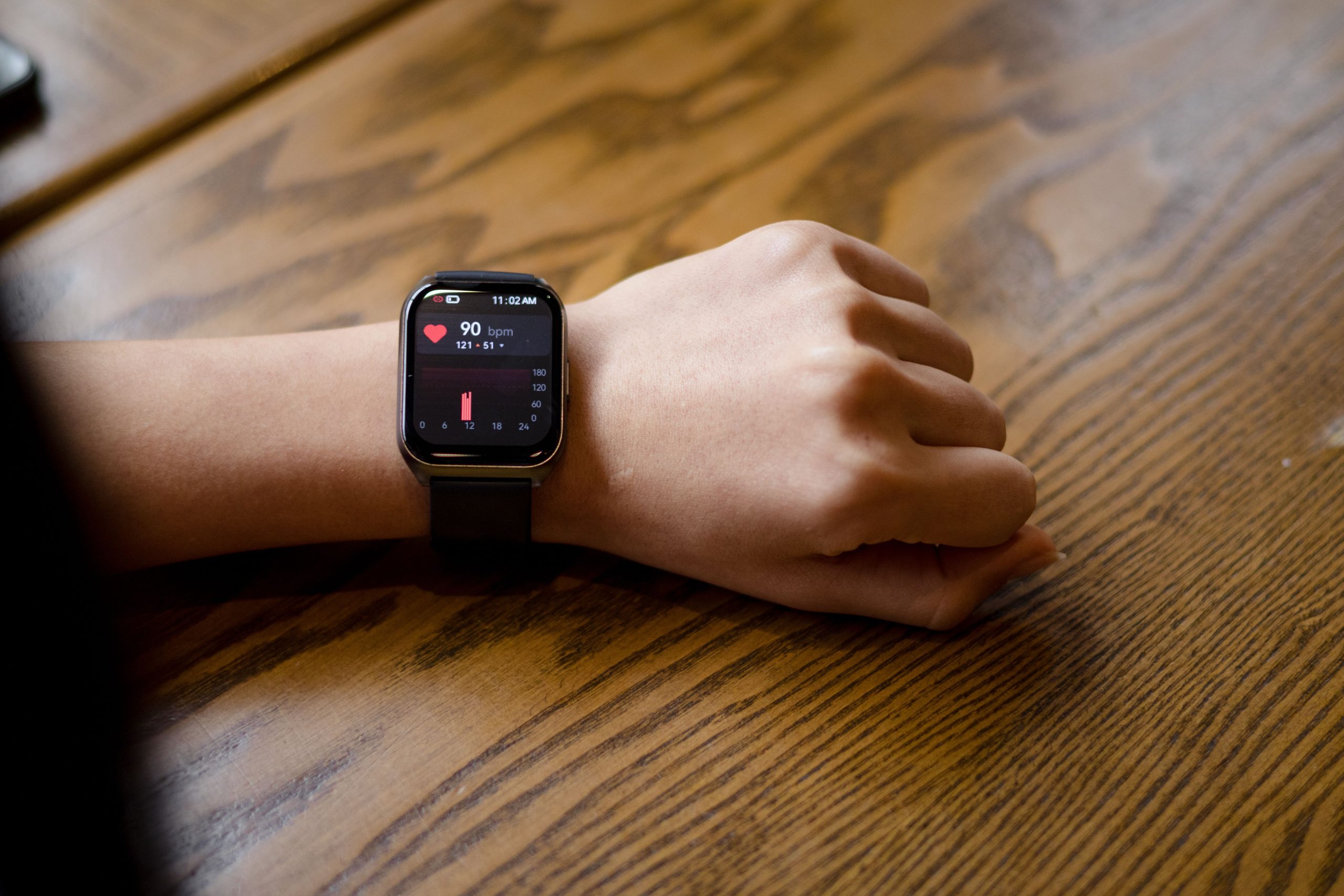
If you wear a smartwatch or fitness tracker, you may have noticed a measurement called HRV. Perhaps yours has suddenly dropped, or you are wondering whether your number is healthy.
Heart rate variability (HRV) measures the small differences in time between each heartbeat. There is no single perfect HRV score, but sleep, exercise, stress and other everyday habits can all influence it.
So, if you are wondering how to increase HRV, the answer is not about chasing one perfect number. Instead, focus on habits that support your sleep, fitness, recovery and overall wellbeing.
In this guide, we explain what HRV means, why it can change and eight evidence-based ways to improve heart rate variability.
Contents
What Is HRV?
Heart rate variability, or HRV, is the variation in time between consecutive heartbeats.
Your heart does not normally beat at perfectly even intervals. For example, a heart rate of 60 beats per minute does not necessarily mean there is exactly one second between every beat.
These tiny differences in timing are known as heart rate variability.
HRV reflects the influence of your autonomic nervous system on your heart. This system helps control automatic processes such as heart rate, breathing and digestion.
A 2025 scientific review of HRV research describes HRV as the variation between successive heartbeats and explains its relationship with the autonomic nervous system.
The sympathetic nervous system helps your body respond to demands and stressful situations. Meanwhile, the parasympathetic nervous system plays an important role in rest and recovery.
If you want to learn more about these systems, read our guide to how to reset your nervous system.
What Is a Good HRV?
There is no single HRV number that is considered good for everyone.
HRV varies considerably between people. Age, fitness, health and measurement method can all affect the result.
This is also why you should be careful with online charts that claim to show the perfect HRV for your age.
A 2025 systematic review of HRV reference values examined 58 studies. The researchers concluded that there are still no generally accepted normal HRV values.
The review also found large differences in how HRV was recorded and measured. This makes direct comparisons difficult.
Therefore, a reading of 30 milliseconds is not automatically bad. Equally, a reading of 70 milliseconds is not automatically good.
For most people using a wearable, it can be more useful to learn your usual range and follow the trend over time.
Why Is My HRV Low?
A lower-than-usual HRV can happen for many reasons. One low reading does not necessarily mean something is wrong.
Your HRV naturally changes. For example, you may notice a different reading after a poor night’s sleep, a stressful day or a difficult workout.
Factors that can influence HRV include:
- Sleep
- Stress
- Exercise
- Physical fatigue
- Alcohol
- Illness
- Age
- Breathing patterns
- Certain medicines
- How and when HRV is measured
Researchers have also found considerable variation in HRV between healthy adults. A systematic review of short-term HRV in healthy adults found substantial differences between individuals and highlighted the importance of measurement methods.
Therefore, look at the wider picture before assuming that a low reading needs to be fixed.
How to Increase HRV: 8 Evidence-Based Ways
If you want to know how to increase HRV, focus on habits that support sleep, fitness, recovery and healthy nervous-system function.
There is no guaranteed way to increase HRV overnight. However, research suggests several everyday habits can influence heart rate variability.
Here are eight evidence-based ways to support your HRV.
1. Get Enough Quality Sleep
Getting enough sleep is one of the first things to consider if you want to improve HRV.
A 2025 systematic review and meta-analysis of sleep deprivation and HRV included 11 studies and 549 participants.
The researchers found that sleep deprivation significantly reduced RMSSD. This is a commonly used measure of heart rate variability. However, not every HRV measurement changed significantly.
Therefore, improving your sleep is a sensible place to start. Try to give yourself enough time to sleep and keep your bedtime and wake time reasonably consistent.
For more practical advice, read our guide to how to get more deep sleep.
2. Exercise Regularly
Regular exercise is one of the better-supported ways to improve several measures of HRV over time.
A 2024 systematic review and meta-analysis of randomised controlled trials examined exercise training and HRV in healthy adults.
The analysis included 16 trials and 623 participants. Exercise improved several HRV measurements, including RMSSD and SDNN, compared with control groups.
You do not need to train like an athlete. Walking, cycling, swimming, resistance training and other activities can all help you stay active.
However, consistency matters more than trying to do as much exercise as possible. Your body also needs time to recover.
3. Try Slow Breathing
Slow breathing is one of the most directly studied techniques for increasing HRV.
A systematic review and meta-analysis of 223 slow-breathing studies found increases in vagally mediated HRV during slow breathing.
The researchers also found increases immediately after a breathing session and following repeated sessions.
You do not need a complicated routine. Try slowing your breathing comfortably for a few minutes.
However, avoid forcing yourself to take unusually deep breaths. Stop if you begin to feel uncomfortable or lightheaded.
Breathing techniques are also included in our guide to supporting your nervous system.
4. Manage Ongoing Stress
Stress can influence your autonomic nervous system. As a result, periods of ongoing stress may also affect your usual HRV pattern.
However, HRV is not a direct stress score. A low reading does not prove that you are stressed.
Instead of becoming stressed about your HRV, focus on the things you can control.
For example, take regular breaks, spend time outside and make time for activities you enjoy. Talking to someone about what is worrying you may also help.
If repetitive thoughts make it difficult to switch off, read our guide to how to stop overthinking.
You can also explore our evidence-based guide to how to lower cortisol naturally.
5. Be Mindful of Alcohol
Alcohol can affect sleep, heart rate and autonomic function. Therefore, it can also influence HRV.
You may notice that your overnight HRV changes after drinking alcohol. However, the effect will not be identical for everyone.
Alcohol can also disrupt normal sleep. As a result, drinking may affect several of the measurements your wearable uses to estimate recovery.
If you monitor HRV regularly, look for patterns in your own readings rather than drawing conclusions from a single night.
6. Give Your Body Time to Recover
Exercise can improve HRV over time. However, hard exercise also creates a temporary demand on your body.
Therefore, recovery matters too.
If your HRV is lower after a difficult workout, consider how you feel overall. Are you unusually tired? Are you sleeping badly? Are your muscles still sore?
If so, your body may benefit from more recovery rather than another intense workout.
Rest is part of a healthy exercise routine. It is not a sign that you have failed to optimise your HRV.
7. Look After the Basics
You do not need a special HRV diet or expensive supplement to support your heart rate variability.
Instead, focus on your overall health.
Eat a balanced diet, drink enough fluids, stay physically active and prioritise sleep.
These habits may sound simple. However, they support many of the systems that influence your overall health and recovery.
Be cautious with products that promise to dramatically increase HRV. No supplement can replace appropriate medical care or healthy everyday habits.
8. Focus on Your HRV Trend
If you want to improve HRV, avoid becoming too focused on individual daily readings.
Heart rate variability naturally changes from day to day.
For example, a lower reading could follow poor sleep, a hard workout, alcohol or a stressful day.
Therefore, compare measurements taken under similar conditions and on the same device.
Your longer-term pattern is often more useful than trying to make tomorrow’s HRV higher than today’s.
How Accurate Is HRV on a Smartwatch?
Smartwatches and fitness trackers can help you monitor HRV trends. However, a wearable HRV reading is not a medical diagnosis.
Wearables may use different sensors, measurement periods and algorithms. Therefore, your HRV may not be directly comparable between different devices.
Scientific reviews also highlight a lack of standardised HRV measurement protocols. A 2025 review of HRV research identified differences in measurement methods and concerns around the accuracy of newer sensor technologies.
This does not mean the HRV number on your watch is useless.
Instead, use it as one piece of information. Measure under similar conditions and focus on your own pattern over time.
Most importantly, do not use a smartwatch HRV score to diagnose or rule out a medical condition.
When Should You Speak to a Doctor?
A low HRV reading on its own is not a diagnosis. However, symptoms involving your heart should not be ignored because your wearable says your HRV is normal.
According to NHS guidance on heart palpitations, you should speak to a GP if palpitations keep coming back, happen more often or last longer than a few minutes.
Seek urgent medical help if you currently have palpitations that do not go away alongside chest pain, shortness of breath, feeling faint or fainting.
If you are concerned about your heart rate or symptoms, speak to a healthcare professional rather than relying on a wearable score.
HRV FAQs
How Can I Increase My HRV?
If you want to know how to increase HRV, focus on good-quality sleep, regular exercise, recovery and stress management. Slow breathing can also increase some HRV measures. However, there is no single method guaranteed to increase everyone’s HRV.
What Is a Good HRV?
There is no universally accepted HRV number that is good for everyone. Age, health and measurement method all matter. Therefore, your own baseline and longer-term trend can be more useful than comparing your score with someone else’s.
Is Higher HRV Better?
Not necessarily. Higher values for some HRV measures can be associated with greater parasympathetic activity. However, HRV should not be treated as a score where a higher number always means better health.
Why Is My HRV Suddenly Low?
Poor sleep, physical fatigue, stress, alcohol, illness and exercise can all affect HRV. Measurement conditions can also change your result. Therefore, look at the wider trend rather than drawing conclusions from one reading.
Does Sleep Affect HRV?
Yes. A 2025 systematic review found that sleep deprivation significantly reduced RMSSD, although not every HRV measure changed significantly. Getting enough sleep is therefore a sensible part of supporting healthy recovery.
Does Exercise Increase HRV?
Regular exercise can improve several HRV measures. A 2024 meta-analysis of 16 randomised controlled trials found improvements in measures including RMSSD and SDNN following exercise training.
Can Breathing Exercises Increase HRV?
Yes. A systematic review of 223 studies found that slow breathing increased vagally mediated HRV during breathing sessions, immediately afterwards and following repeated sessions.
What Is a Good HRV for My Age?
HRV tends to change with age, but there is no single healthy HRV number for every age group. Research has found wide variation between studies and individuals. Therefore, be cautious with charts that present one narrow range as normal for everyone of a certain age.
Is 30ms HRV Bad?
Not necessarily. A 30ms reading cannot be labelled good or bad without context. Your age, usual HRV, measurement method, health and device all matter. Your own longer-term trend is generally more useful than one isolated number.
How Long Does It Take to Increase HRV?
There is no set timeframe. Slow breathing can influence HRV during a single session, while changes linked with regular exercise and other healthy habits may take longer. Focus on consistent habits rather than trying to reach a specific HRV number quickly.
The Bottom Line
If you want to know how to increase HRV, start with the basics.
Prioritise sleep, exercise regularly and give yourself enough time to recover. Managing ongoing stress and practising slow breathing may also support your heart rate variability.
However, there is no perfect HRV number.
Your HRV can change with age, sleep, stress, exercise, illness and the way it is measured. Therefore, your longer-term trend is usually more useful than comparing your score with somebody else’s.
Most importantly, do not let a smartwatch number become another source of stress. HRV can provide useful information, but it is only one small part of your overall health and wellbeing.
When a Long-Term Health Condition Is Affecting Everyday Life
Sleep, stress, activity and recovery can all become more difficult when you are living with a long-term health condition.
If symptoms are regularly affecting your everyday life, speak to a healthcare professional about the treatment options available to you.
For some adults who have already tried conventional treatments without sufficient relief, medical cannabis may be considered following an individual assessment by a specialist clinician.
Curious if you’re eligible? You can check your eligibility online to see whether you may be suitable for a specialist consultation.