What it’s actually like getting a medical cannabis prescription in the UK
What it’s actually like getting a medical cannabis prescription in the UK
I want to take you back to the version of me who was about to make her first medical cannabis enquiry.
I was sitting at the kitchen table with the laptop open, finger hovering over the form, convinced that the moment I clicked submit, several things would happen at once. None of that happened, of course. What actually happened was much less dramatic, much more boring and quite a lot more useful. If you’ve ever found yourself searching “how to get medical cannabis UK” at 11pm with the curtains closed, this one is for you.
Contents
Why I Started Looking in the First Place
I have a stack of health conditions that don’t always play well together. Ehlers-Danlos Syndrome, which brings chronic pain, joint instability, jaw pain, dislocations and a nervous system that runs hot. The comorbidities that often travel with EDS, like histamine issues, gastro problems and restless legs. Then there are my neurological conditions that include ADHD. Agoraphobia. Anxiety. Depression.
For years I was treating each thing separately. A different pill for this, a different therapy for that, and a different specialist for the other. The pharmacy bag was heavy. The mental load of managing it all was heavier. Some things helped, some things didn’t and a lot of it felt like patching one leak while another one started.
A friend mentioned medical cannabis as something that had really helped them. I was sceptical. My first thought was, what would people think? My brain immediately reached for every negative association it had on file.
But I did what I do with everything. I started reading. The medical websites, the peer-reviewed studies, the patient stories, the regulatory framework and the actual published evidence on how medical cannabis is used in the UK as part of specialist care.
And eventually, I thought, let’s do it.
It’s Properly Regulated Medicine
Here is the thing that took me longest to get my head around and it’s the thing I most want to flag up front.
Medical cannabis in the UK is not the same conversation as recreational cannabis. They share a plant, but they do not share a regulatory framework, a supply chain, a quality standard or a clinical setting.
Medical cannabis has been legal in the UK since 1 November 2018. It can only be prescribed by specialist consultants who are registered with the General Medical Council. Most patients access it through a private cannabis clinic in the UK, since NHS access remains limited.
The whole pathway is regulated through the MHRA, the same body that regulates every other prescribed medicine in this country. The products are quality-controlled, lab-tested and dispensed through regulated pharmacies.
It is also nothing like the CBD products you can buy in a service station. Those are food supplements, regulated by the Food Standards Agency, with strict limits on THC content. Medical cannabis is a prescribed medication with controlled, documented quantities of CBD and THC, prescribed for a clinical purpose, by a doctor.
I knew none of this when I started looking. Most people I have spoken to since don’t know it either.
The Process, Step by Step
Step One: Check Your Eligibility
The process at CB1 Medical starts with a short online eligibility questionnaire. You answer a couple of questions about your situation. It takes a few minutes. There is no commitment at this point and no one is making assumptions about you.
The eligibility check is just to confirm that you might be a suitable candidate for treatment.
Step Two: Register and Submit Your Details
If you are eligible, you register as a patient. This involves giving your medical history, your current treatments, your employment and contact details. Standard medical onboarding.
I want to flag that this is the bit where my anxiety told me I was filling in a confession. I was not. I was filling in a medical form for a regulated clinic.
Step Three: The Initial Consultation
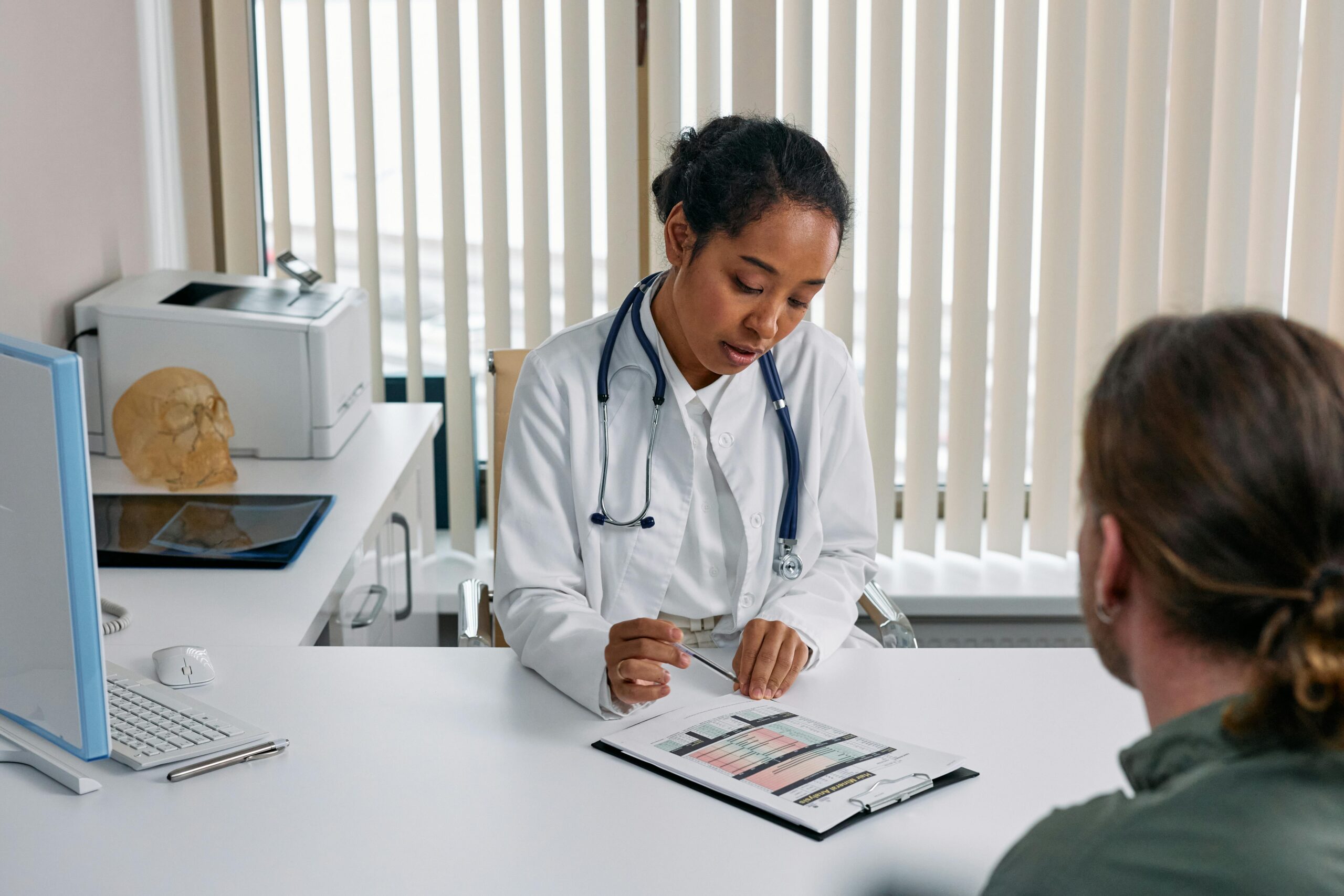
This is the bit most people are nervous about, so let me describe what it is actually like. You speak to a specialist consultant, usually over the phone. They have your medical history in front of them.
They ask you about your conditions, your symptoms, what you have tried, what has worked, what hasn’t. They explain what medical cannabis is and how it might fit into your wider care. They answer your questions.
It is, in other words, a doctor’s appointment, with a doctor, about your health.
For CB1, the initial consultation costs £50 and that fee is refunded if the clinical team decides you are not eligible for treatment. If you are a veteran or switching from another clinic, the consultation is free. After the initial, every clinical interaction is free for life.
Step Four: The MDT Review
After your consultation, your case goes to what is called a multi-disciplinary team review. This is the bit where a wider clinical team looks at your case and decides whether the recommended treatment is appropriate for you. It is the proper medical oversight that you would expect from any responsible prescribing process.
Step Five: Your Prescription
If you are approved, your prescription is sent to the partner pharmacy. You receive a notification through the patient platform to confirm payment and delivery. Items in stock typically arrive in 3 to 5 working days. Items that need restocking can take up to two weeks.
It comes by Royal Mail. In discreet packaging. I cannot tell you how many times I called my husband in the days after my first delivery, just to say “this is so normal, I cannot believe how normal this is.”
About That Time I Lied to My Doctor
I want to share this because I think it might save someone else from doing the same thing. During my initial consultation, the consultant asked me, completely matter-of-factly, whether I had ever smoked cannabis before.
My brain, which had been telling me this whole process was secretly a trap, leapt to attention.
“No,” I said. “Never. I don’t even know what it looks like.”
The consultant said that was fine, they would start me low and slow and explained what that meant. I let about ten seconds pass. Then I said, “I’m so sorry, I’m lying.”
I have no idea why I lied. I think some part of my brain was still expecting the police to be on the other end of the line, ready to kick my door in shouting “we’ve got her, we’ve got the weed smoker.” Which is, of course, ludicrous.
I told them the truth. I had smoked cannabis as a teenager and occasionally as an adult. They thanked me, calmly. And here is the important bit, that information changed how they prescribed it for me. It changed the starting dose and the strain recommendations.
So, friendly note. The consultation is not a trap. Honesty is not just allowed, it is essential. The whole prescribing process is built around getting the right thing for you and that only works if they have the actual information.
What the Medication Actually Looks Like When It Arrives
I had no idea what to expect. I half-thought it was going to come in some kind of stamped pharmaceutical packaging with warning labels. It came in a small, discreet parcel, like any other delivery.
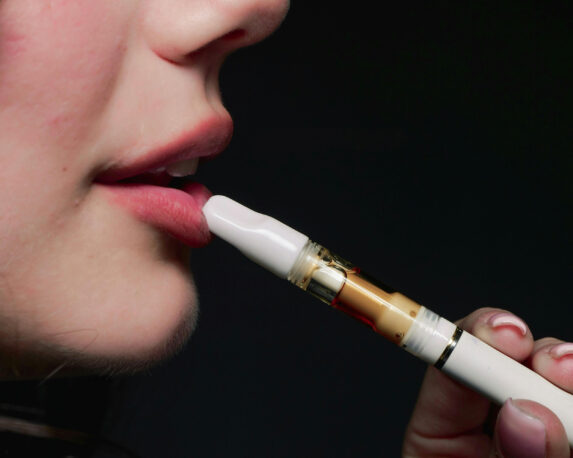
For my prescription, I needed a flower vape pen, which the clinic recommended from Amazon. The medication arrived separately, properly labelled, dispensed by a regulated pharmacy. The vape pen was a normal piece of consumer electronics that anyone could buy.
I now use a discreet vape in my garden. I don’t think about it, no one has ever said anything. My neighbours have not staged an intervention. The world has remained spectacularly unbothered.
What Changed for Me
I want to be careful here because I am sharing my own experience and outcomes vary from patient to patient. But for me, taking my care into my own hands like this was one of the best decisions I have made.
Some of the change was clinical, making my pain more manageable, my sleep more reliable. The mental noise that fuelled my anxiety is quieter. The wider load of trying to juggle a stack of conditions has felt lighter.
Some of the change was psychological. Having a doctor sit me down and properly explain what I was taking, why it might help and how it fits into my wider care, took away the feeling of doing something wrong.
There is nothing wrong about taking your own health seriously. Exploring a properly regulated medical pathway that exists in this country for exactly this reason is sensible, not shameful.
It also took away the shame. Which is something I want to name, because the shame is one of the biggest barriers I see in other people.
What I Would Say to Someone Thinking About It
The first thing is, checking your eligibility is just that. A check. It’s just a few questions and it tells you whether the rest of the conversation is even relevant for you.
The second thing is, the consultation is for you. The specialist is on your side. They want to understand your situation properly so they can prescribe properly. Tell them the truth, even the bits you think might disqualify you. Especially those bits.
The third thing is, it is a conversation, not a commitment. You can ask questions. You can decide it isn’t for you. You can take time to think. There is no pressure to start treatment until you have a prescription you understand and feel comfortable with.
FAQs
Is Medical Cannabis Legal in the UK?
Yes. Medical cannabis has been legal in the UK since 1 November 2018. It can only be prescribed by specialist consultants registered with the General Medical Council and is regulated through the MHRA, the same body that regulates every other prescribed medicine in the country.
Who Qualifies for Medical Cannabis in the UK?
Medical cannabis may be considered for adult patients with a range of conditions, including chronic pain, anxiety, insomnia, depression, PTSD, certain gastrointestinal conditions, neurological conditions and palliative care. It is typically explored when other licensed treatments have not given enough benefit. A specialist consultation determines eligibility on a case-by-case basis.
How Is Medical Cannabis Different From Over-the-Counter CBD?
Over-the-counter CBD products are food supplements regulated by the Food Standards Agency, with strict legal limits on THC content. Medical cannabis is a prescribed medication containing controlled, documented amounts of CBD and THC, prescribed by a specialist doctor for a clinical purpose, and regulated through the MHRA.
How Much Does It Cost to Get a Medical Cannabis Prescription in the UK?
Pricing varies by clinic. At CB1 Medical, the initial consultation is £50, with all ongoing clinical care free for life thereafter. Veterans and patients switching from another clinic pay no consultation fee. Medication costs are separate and depend on the specific prescription. The £50 fee is refundable if the clinical team decides you are not eligible for treatment.
How Long Does the Process Take?
The eligibility check takes a few minutes. The initial consultation is usually scheduled within a few working days. After the consultation, the multi-disciplinary team review is completed shortly afterwards. If approved, medication that is in stock typically arrives within 3 to 5 working days through a regulated pharmacy.
Is Everything I Tell My Consultant Confidential?
Your consultation is a private medical appointment, protected by the same confidentiality standards that apply across UK healthcare. Specialist clinics are regulated by the CQC and follow the same medical privacy rules as the NHS, with the same standard limits that apply to any UK medical setting. In practice, what you share with your consultant stays between you and your clinical team.
Curious if you’re eligible?
If you are curious about whether medical cannabis might form part of your specialist care, the team at CB1 Medical can talk you through what an assessment involves. Try our free Eligibility Checker to see if this conversation is relevant for you.